Unpleasant toilet and bathroom odors can return surprisingly quickly, even after a room has been cleaned. The cause is not always the toilet bowl itself. Humidity, damp textiles, residue around the base of the toilet, dirty grout, poorly ventilated surfaces, shower curtains, bath mats, and hard-to-reach areas can all contribute to a stale or unpleasant atmosphere.
The most effective approach is therefore not to simply cover odors with a strong fragrance. Instead, focus on the source: improve ventilation, reduce excess moisture, clean the areas where residue accumulates, and use simple household deodorizing methods to keep the room smelling fresher between cleaning sessions.
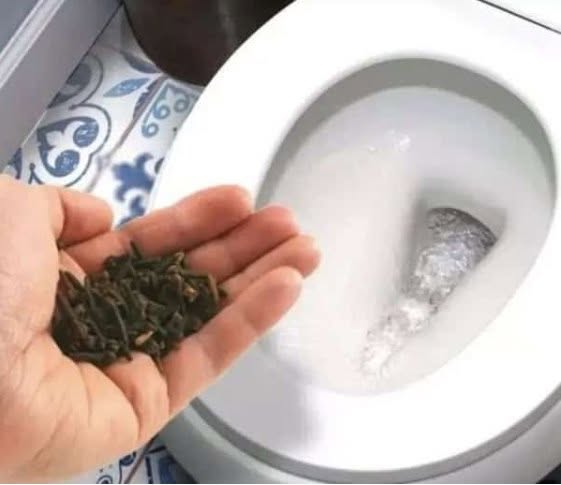
The original tips rely mainly on familiar household products such as white vinegar, baking soda, household alcohol, citrus peels, cinnamon, cloves, and optional essential oil. These ingredients can be useful in routine bathroom care when they are appropriate for the surface being cleaned, but they should not be treated as universal disinfectants or substitutes for proper plumbing maintenance.
If a strong odor remains after thorough cleaning and ventilation, especially if it resembles sewage rather than ordinary bathroom odor, the problem may come from a drain, toilet seal, plumbing connection, or another source that requires inspection rather than deodorizing.