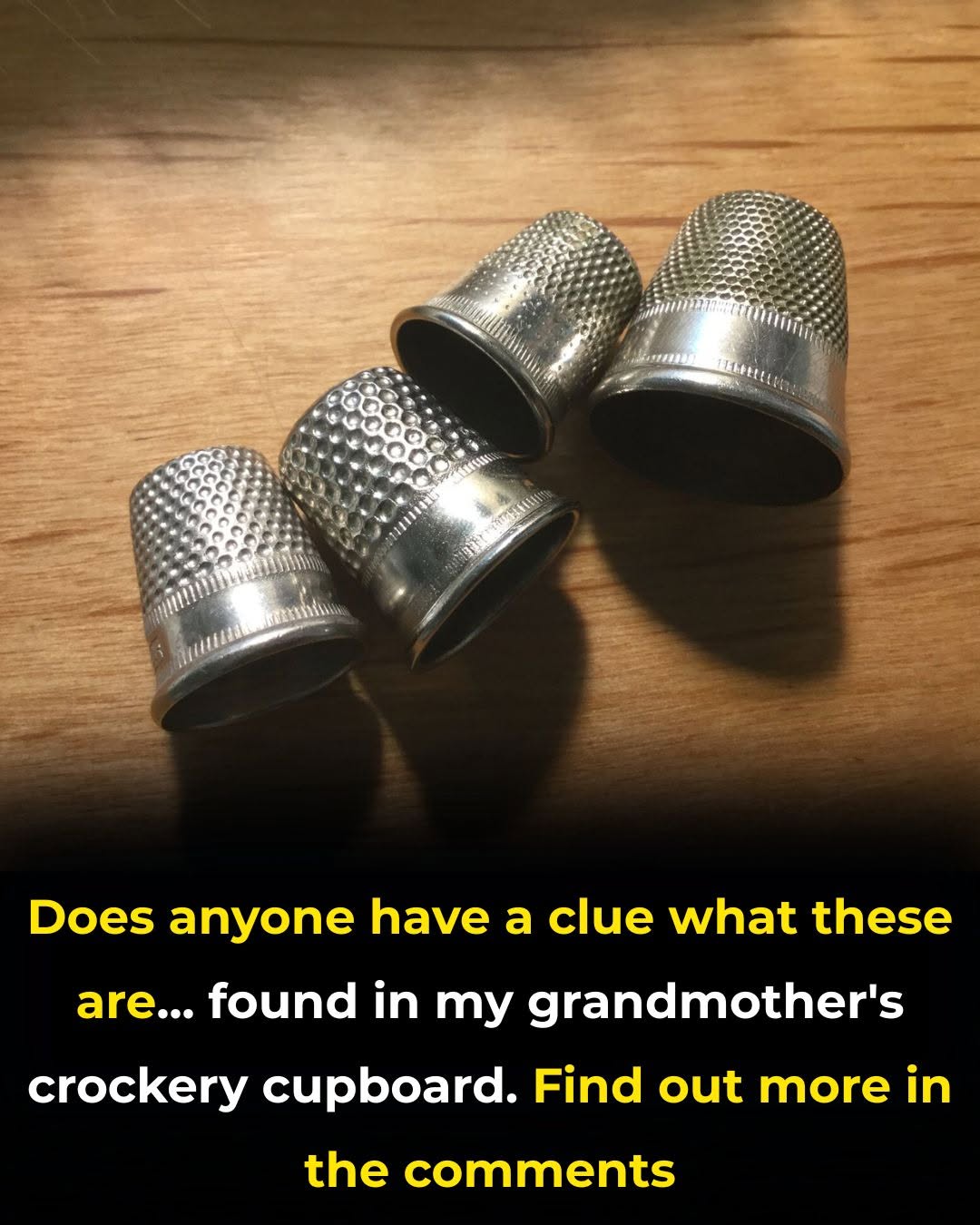
At first glance, a thimble may seem like a simple sewing accessory — small, practical, and easy to overlook. However, this tiny object carries a rich history that stretches back thousands of years. From ancient civilizations to modern collectors, thimbles have played an important role in craftsmanship, creativity, and everyday life.
Over the centuries, the thimble has evolved from a basic protective tool into a treasured collectible admired for both its usefulness and artistic beauty. Its story reflects the development of sewing traditions, fashion, and handmade craftsmanship across cultures and generations.
The Origins of the Thimble
The history of the thimble dates back to ancient times. Archaeologists discovered early bronze thimbles in the ruins of Pompeii, showing that people were already using finger protection for sewing as far back as the first century.
Similar sewing tools were later found in regions including China, Egypt, and parts of the Middle East. These early versions were often made from materials such as leather, bone, ivory, brass, or bronze. Their main purpose was simple: protecting fingers while pushing needles through fabric.
Even in those early years, thimbles demonstrated how practical tools could become lasting symbols of craftsmanship and innovation.