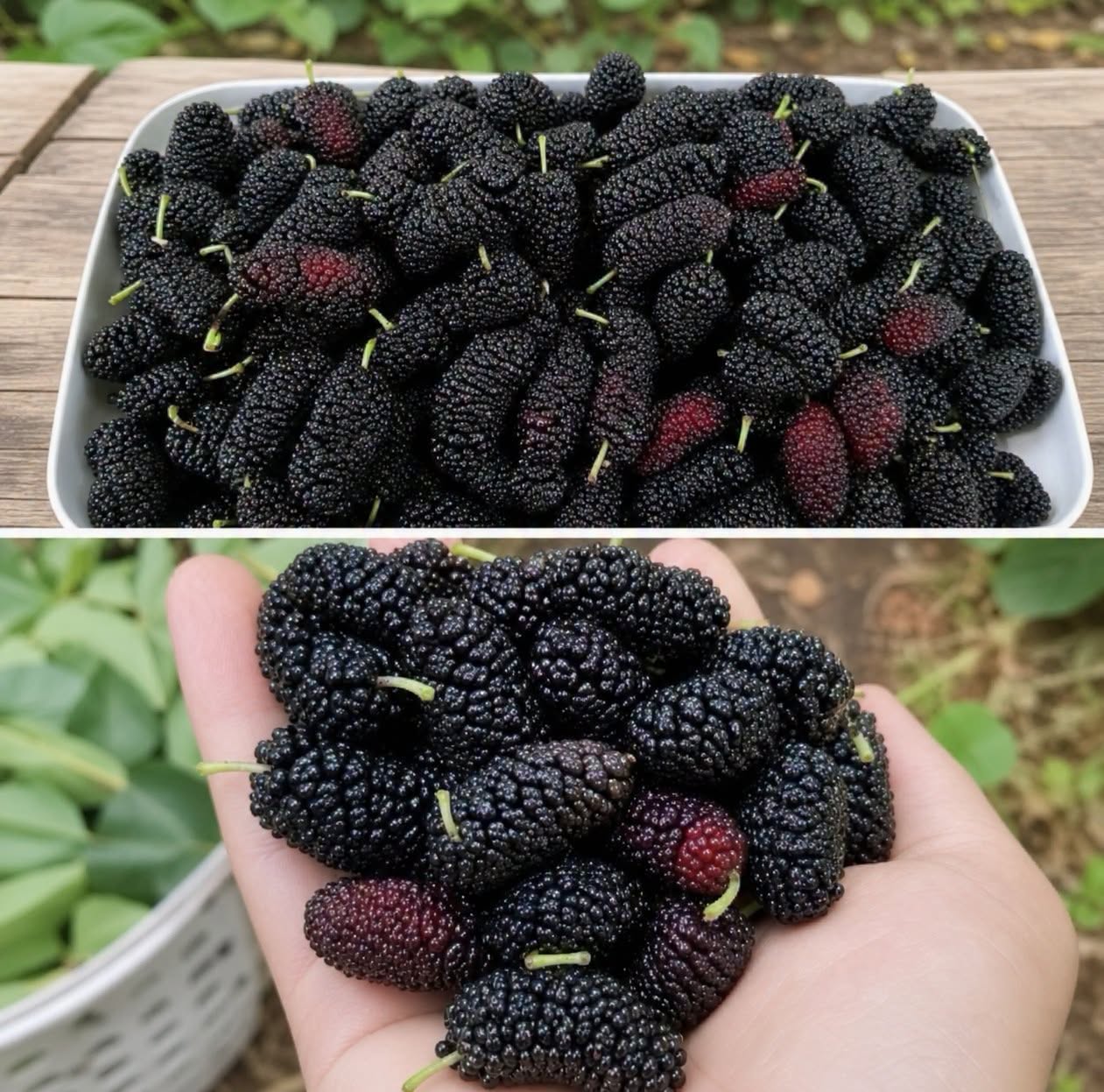
Walk through the produce aisle or scroll through wellness feeds, and you will see the same recurring cast of characters: blueberries, acai bowls, and pomegranate juices. Yet one of the most concentrated sources of protective plant compounds on earth rarely makes the supermarket front display. It grows quietly along rural hedgerows, suburban garden borders, and cold northern hillsides.
That fruit is the aronia berry—often called the black chokeberry (Aronia melanocarpa). While its intense, mouth-drying tartness kept it off mainstream snack shelves for decades, herbalists and researchers have long appreciated its unique ability to support blood pressure naturally and protect aging eyes.

What Exactly Is an Aronia Berry?
Aronia is a woody deciduous shrub native to eastern North America. Long before modern labs started analyzing food chemistry, Native American communities dried these deep purple berries, ground them into nutrient-dense travel cakes with meat, and brewed the bark and fruit for cold-season vitality.
The name “chokeberry” comes from the fruit’s raw flavor profile. Take a fresh berry off the branch, bite down, and your mouth immediately puckers. That drying sensation comes from an unusually dense concentration of tannins and proanthocyanidins—the exact compounds that make the berry so biologically potent.
In terms