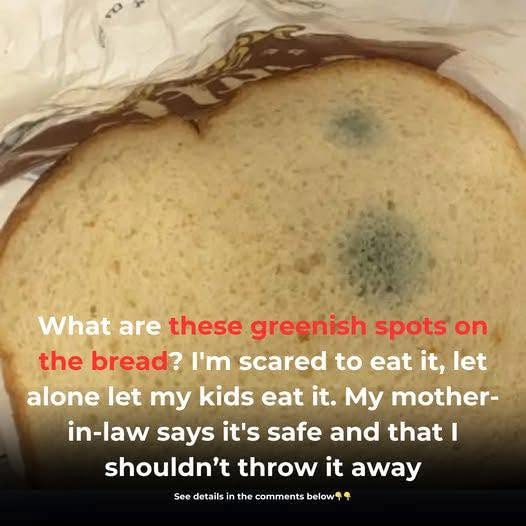
Almost everyone has experienced it—you reach for a loaf of bread only to discover it’s not soft and fluffy anymore. Instead, it feels dry, hard, and far from appetizing. At that moment, you might wonder: Is this bread still safe to eat, or should I throw it away immediately?
The truth is, not all “old” bread is bad. In fact, knowing the difference between stale bread and moldy bread can help you reduce food waste, save money, and even discover some surprisingly delicious recipes.
What Happens When Bread Goes Stale?
Bread naturally becomes stale over time because of a process called retrogradation. This simply means the starch molecules in the bread lose moisture and re-crystallize, making the bread hard and dry.
While the texture changes, the bread itself is usually still safe to eat as long as there are no visible signs of mold. So, don’t be too quick to toss that baguette or sandwich loaf—stale bread still has value in the kitchen.
Safe Uses for Stale Bread
Instead of thinking of stale bread as ruined, consider it a culinary secret weapon. Its firm texture makes it perfect for recipes where fresh bread would be too soft. Here are some