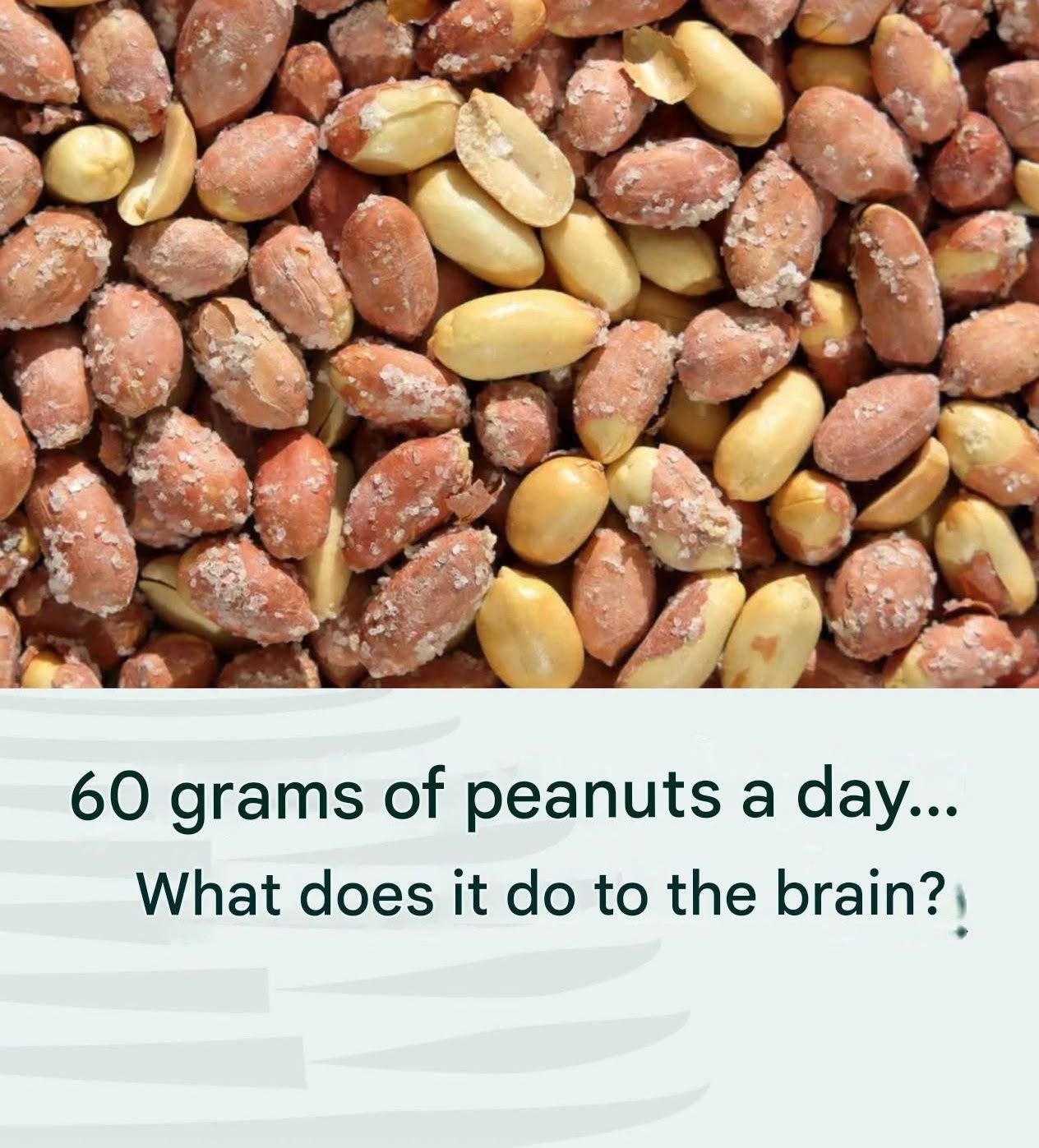
nutritionists and physicians, as well as individuals seeking a simple food that offers significant benefits for brain health.Research conducted by the University of South Australia suggests that consuming between two and three ounces of peanuts daily—approximately 56 to 85 grams—contributes to improved cognitive function and blood circulation in the brain.After just 12 weeks, study participants showed improvements in short-term memory, their ability to process and respond to new information, and the brain’s capacity to associate and recall words.The findings of this study, published in the journal *Nutritional Neuroscience*, indicate that peanuts may be a key to maintaining mental sharpness.Peanuts may help improve mood (Pexels)Niacin and Vitamin E: Protecting Against Alzheimer’s and Cognitive DeclineThe benefits of peanuts extend beyond enhancing current brain function; they also help protect the brain against age-related cognitive decline.Peanuts are an excellent source of niacin and a good source of Vitamin E—nutrients that have been shown to contribute to the prevention of Alzheimer’s disease and the cognitive decline associated with aging. Eating peanuts may help maintain alertness.Peanuts are known to be rich in healthy, unsaturated fats—a key reason they are beneficial for reducing the risk of cardiovascular disease.However, the
What happens to your brain when you eat peanuts daily?