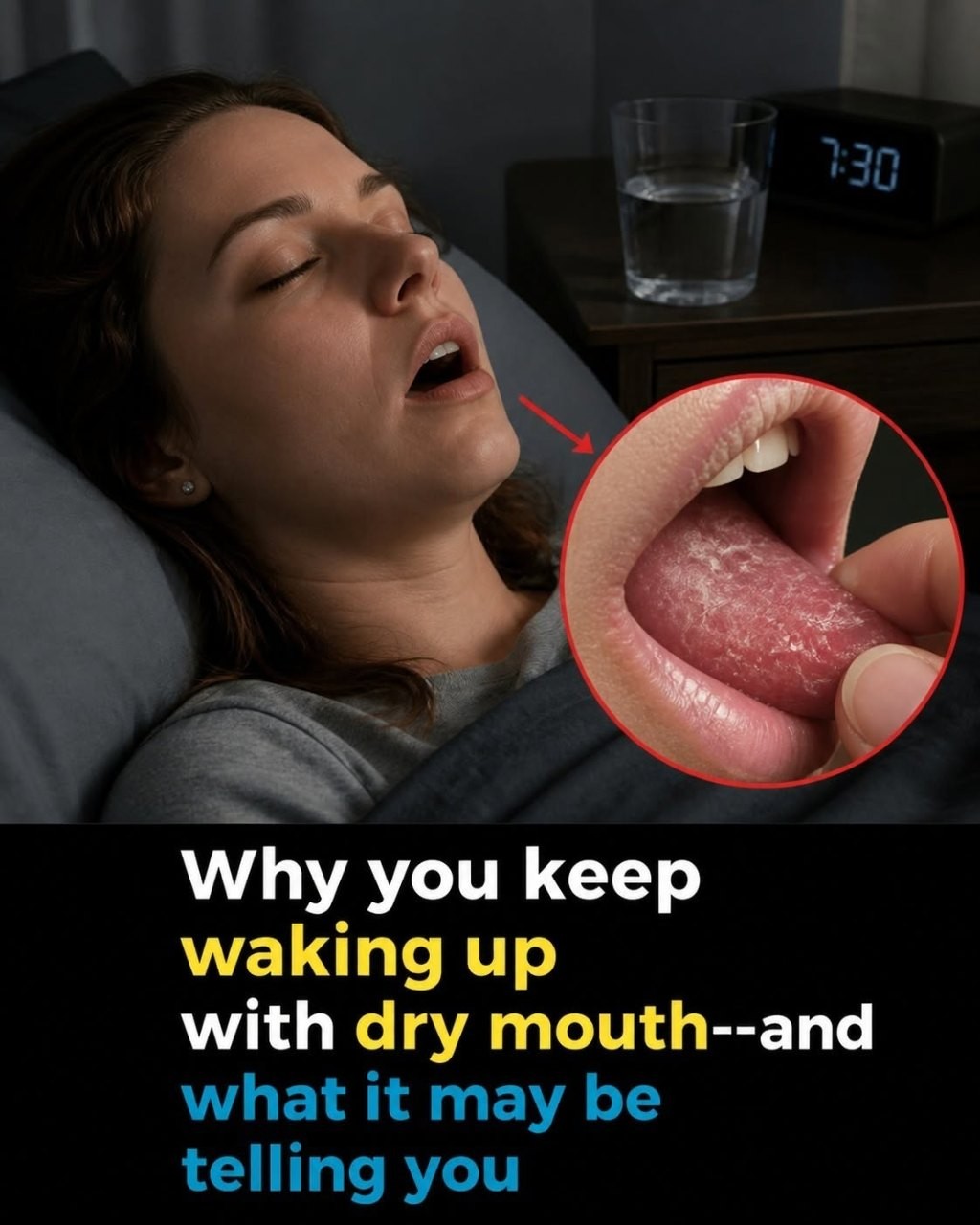
to reduced saliva production. Dehydration may be more noticeable after exercise, heavy sweating, or consuming alcohol.
Medications Can Also Cause Dry Mouth
Dry mouth is a known side effect of many medications. Some commonly associated categories include:
- Antihistamines
- Decongestants
- Some antidepressants
- Some antipsychotic medications
- Certain blood-pressure medications
- Diuretics
- Some muscle relaxants
- Some bladder medications
- Certain medications used for Parkinson’s disease
If you suspect that a medication is causing your dry mouth, do not stop taking it on your own. Speak with the prescribing healthcare professional about possible alternatives or adjustments.
Health Conditions Associated With Persistent Dry Mouth
Occasional dryness is usually not a reason for alarm. However, persistent or unexplained dry mouth can sometimes occur alongside certain medical conditions.
- Diabetes: High blood sugar can increase urination and contribute to dehydration, which may reduce saliva.
- Sjögren’s syndrome: This autoimmune condition can affect the salivary and tear glands, resulting in significant dryness.
- Nerve damage: Certain injuries, neurological conditions, or procedures affecting the head and neck can interfere with saliva production.
- Radiation therapy: Treatment involving the head or neck can damage salivary glands and cause long-lasting dryness.
- Anxiety and stress: The body’s stress response can temporarily
- reduce saliva production.
Dry mouth alone does