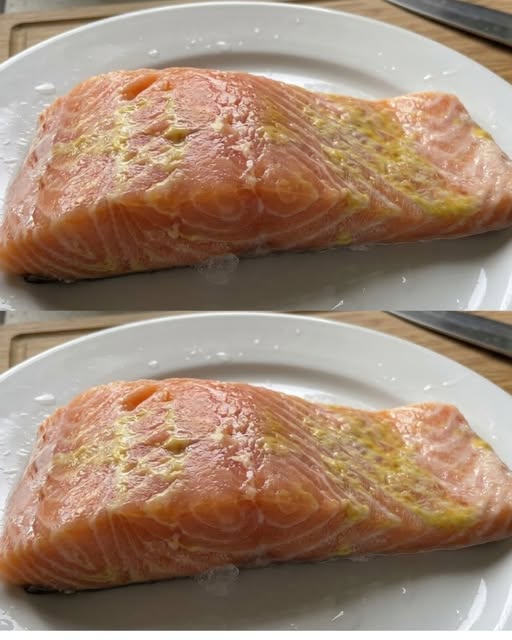
tint on defrosted salmon fillets
Most Common Cause: Oxidized fat due to freezing or storage conditions
Other Possible Causes: Freezer burn, natural color variation in certain salmon species
Safety Check: Smell, texture, and taste tests determine edibility—not color alone
Prevention Tips: Airtight sealing, labeling with dates, rotating freezer stock
Key Takeaway: Yellow tint alone rarely indicates spoilage; trust your senses, not just appearance
Action Step: When in doubt, trim discolored areas and cook thoroughly
Why This Topic Matters: Navigating Food Safety with Confidence
Finding an unexpected change in your food can trigger instant anxiety—especially when it involves something as prized as salmon. But understanding the science behind these changes transforms fear into informed action.
This topic matters because food waste is a real concern, and unnecessary discarding of safe food impacts both budgets and sustainability. At the same time, food safety is non-negotiable. Learning to distinguish between cosmetic changes and genuine spoilage empowers you to make smart, confident decisions in your kitchen.
By approaching this question with curiosity rather than panic, you honor both your health and your resources. Knowledge isn’t just power—it’s peace of mind.
Understanding the Yellow Tint: What’s Really Happening?
Oxidized Fat: The Most Common Culprit
First,