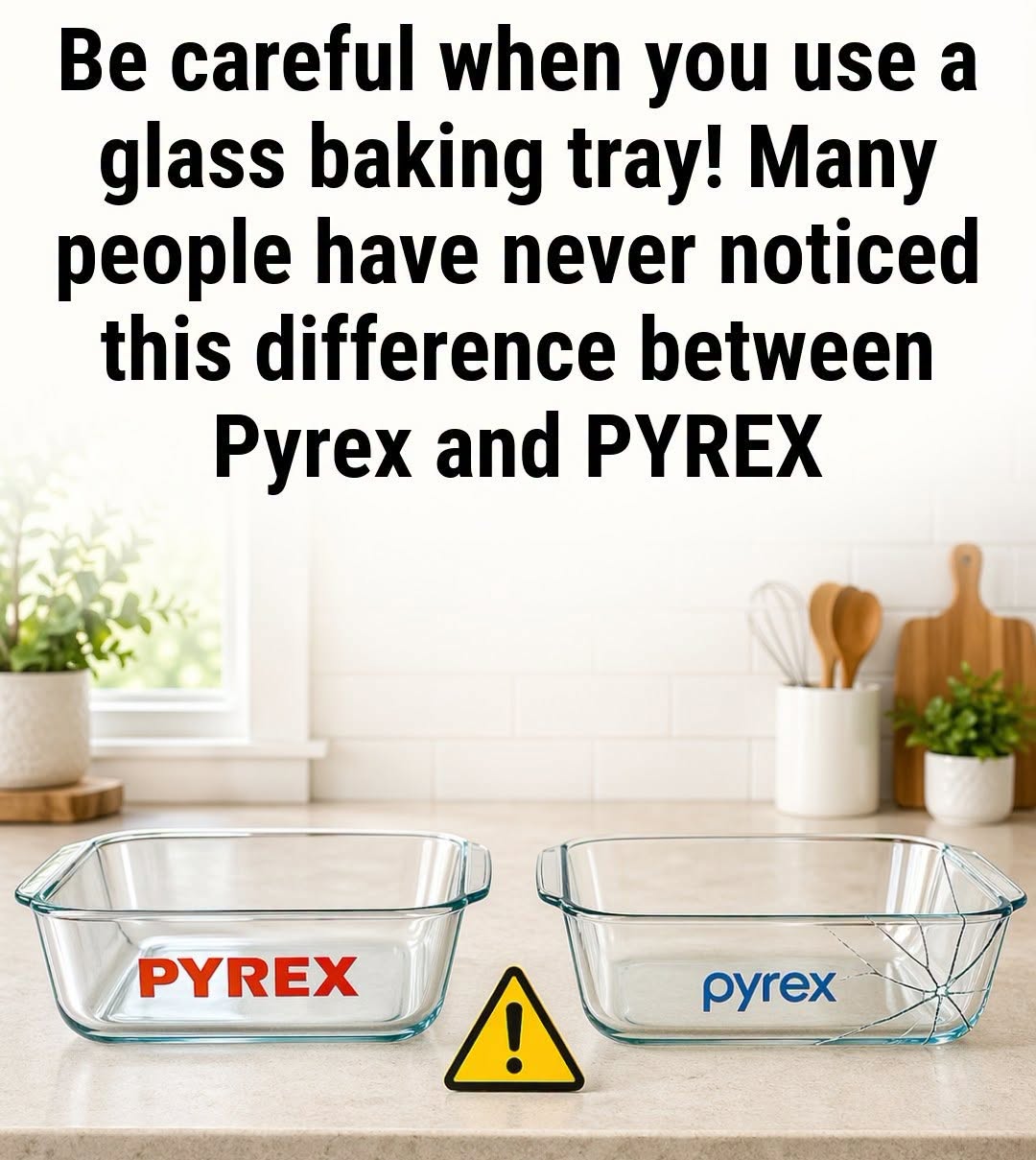
What Is PYREX with Uppercase Letters
PYREX in all capital letters refers to glassware made from borosilicate glass, which was originally developed for laboratory use. Borosilicate glass is far superior in terms of handling thermal shock. It can easily transition from an extremely cold state to an extremely hot state without breaking.
That is why borosilicate glass continues to be used today for laboratory beakers, test tubes, and similar equipment, as well as for some foreign brands of cookware. I have personally worked with laboratory equipment, such as beakers and test tubes, made from PYREX glassware that has been subjected to both flame and freeze temperatures without failing.
However, borosilicate has a weakness. While it is excellent for dealing with extreme temperature changes, it is also more prone